Encyclopedia · Where it's practiced
Emotional literacy for families
Response-ability starts at home.

Family emotional literacy is the shared practice of naming, accepting and responding to feelings at home. Families are where emotional literacy is first learned — or first withheld.
Response-ability
10P uses the word response-ability: the ability to respond rather than react. In a family, it means parents who can name their own feelings, children who are allowed to name theirs, and a shared language for repair.
Practices for the home
- Daily check-in at dinner or bedtime — one word each. See Circle check-in.
- Name your own feelings out loud, so children see it modeled.
- Repair after conflict. Children do not need perfect parents; they need parents who come back and make it right. See Repair conversation.
- Replace "calm down" with "what are you feeling?"
Families and incarceration
When a parent is incarcerated, the whole family serves the sentence. The original ACE study counted the incarceration of a household member as an adverse childhood experience.1 10P's B.E.L.T. curriculum is built on a California family model that brings families into the self-help process alongside their incarcerated loved ones, so healing happens on both sides of the wall.
-
Centers for Disease Control and Prevention. (1998). Adult health problems linked to traumatic childhood experiences. archive.cdc.gov ↑
Put this into practice
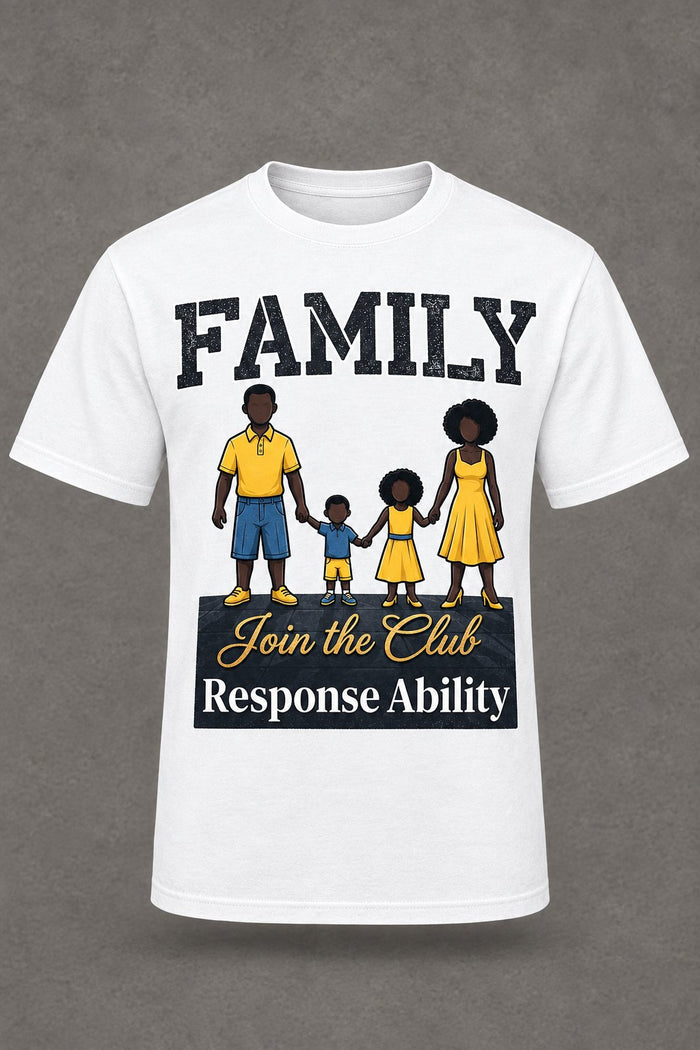 New Nubian Fashions
FAMILY “Response Ability” Tee
Response-ability is a family skill. More than just clothing, it’s a movement. $35.
Shop the tee
See also
Cite this entry: Samual Nathaniel Brown. “Emotional literacy for families.” The Emotional Literacy Encyclopedia, 10P Program, 2026-10-25. https://emotionalliteracy.org/encyclopedia/emotional-literacy-for-families/